What events ?
Events for every age and ability
Little Athletics gives children the opportunity to try a wide range of events across running, jumping and throwing in a fun, safe and supportive environment.
Events are designed to suit each age group, so athletes can learn new skills and build confidence at a level that is right for them. As children grow and develop, event distances, equipment sizes and competition formats are adjusted to match their age and ability.
Whether your child is brand new to athletics or already loves to run, jump or throw, Little Athletics encourages participation, personal improvement and having a go.
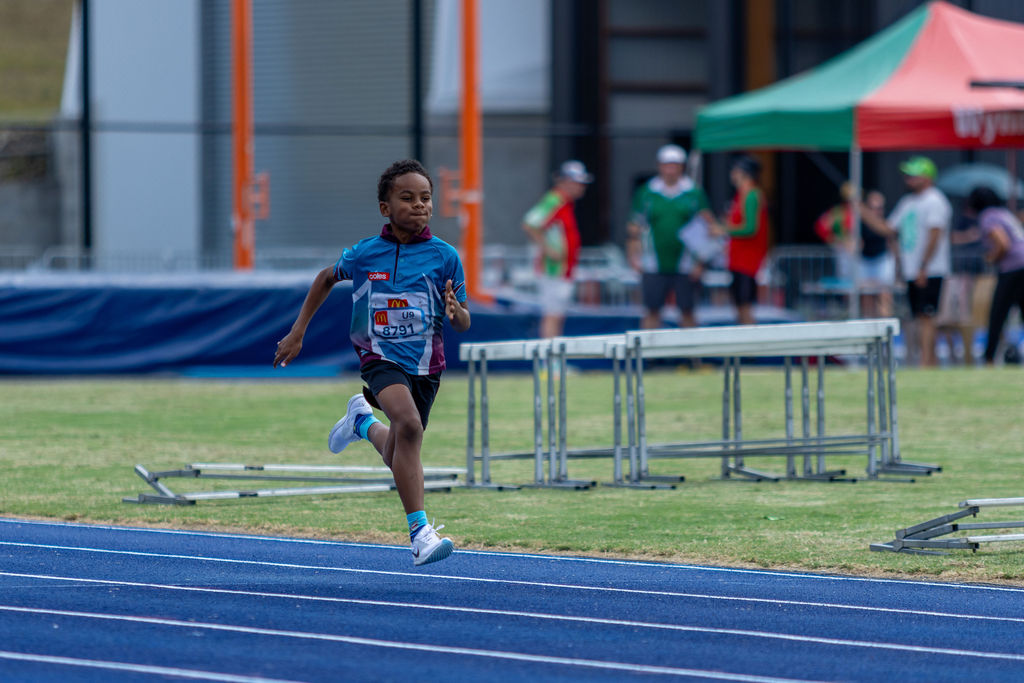
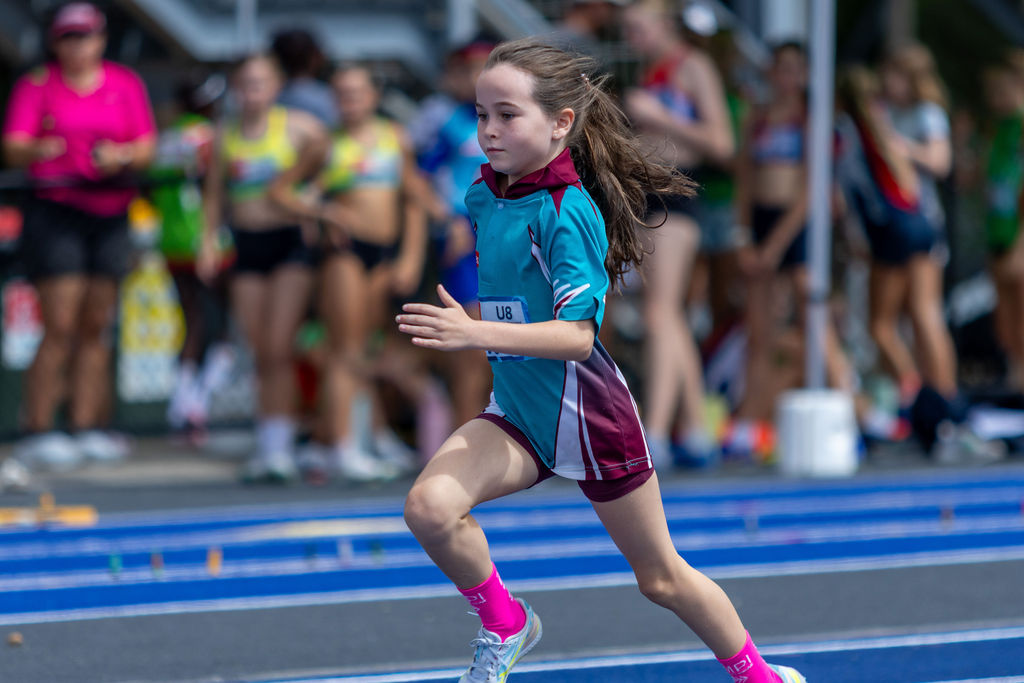
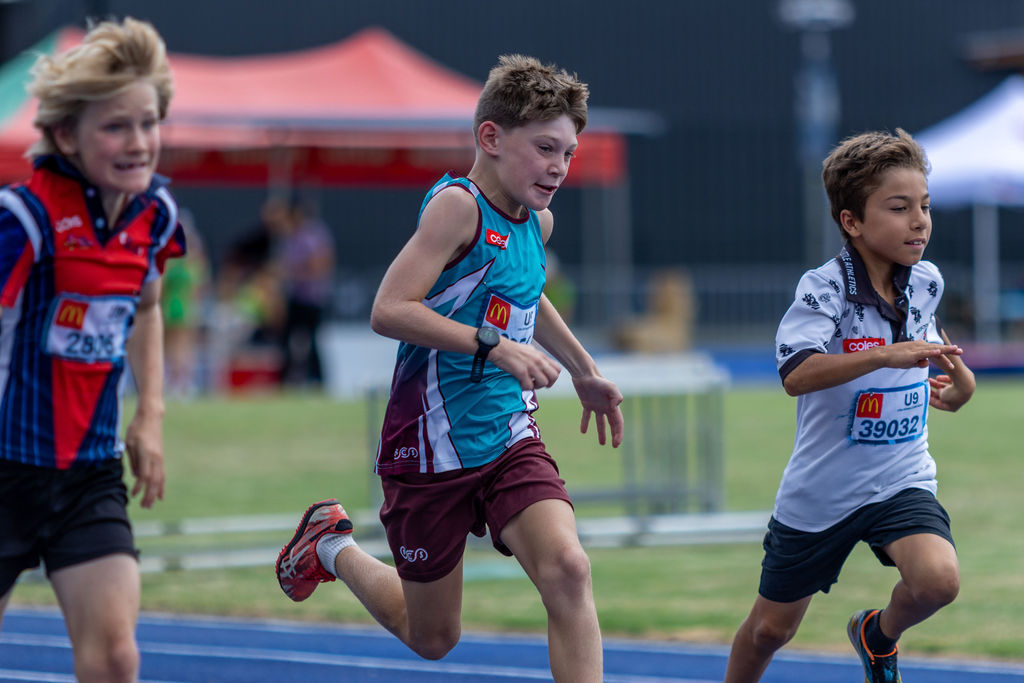
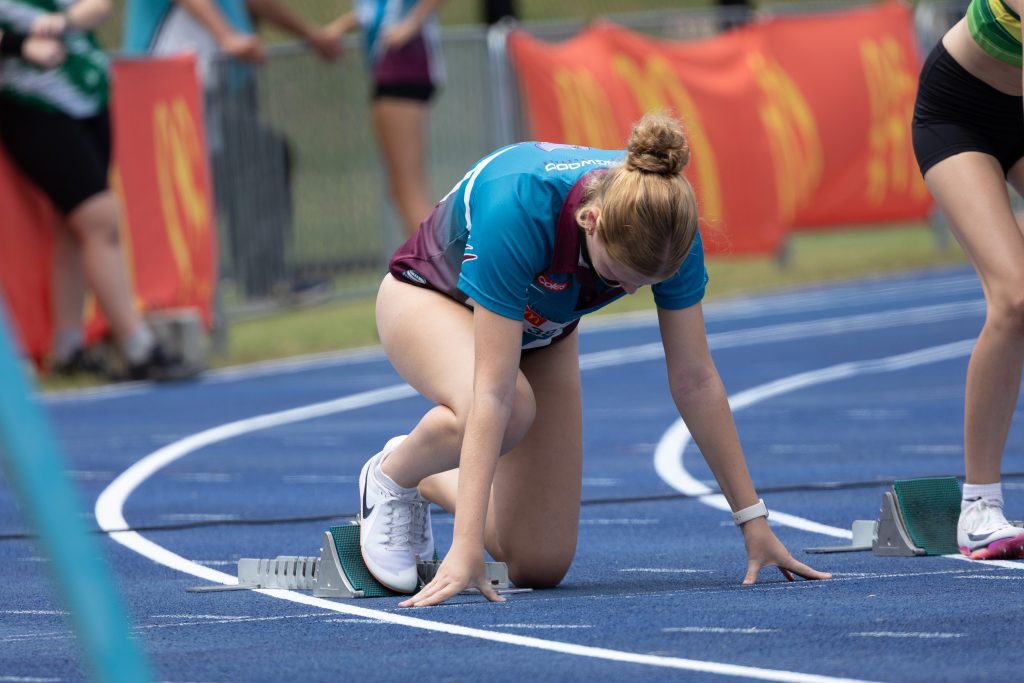
Sprinting essentially involves running at full speed over the full race distance.
Little Athletics sprint distances are 70, 100, 200 and 400 metres; however, U6s do not run more than 100 metres, and U7s & 8s do not run 400 metres.
Technically, 400 metres is a sprint for older athletes, but perhaps best considered a middle-distance race for most Little Athletes.


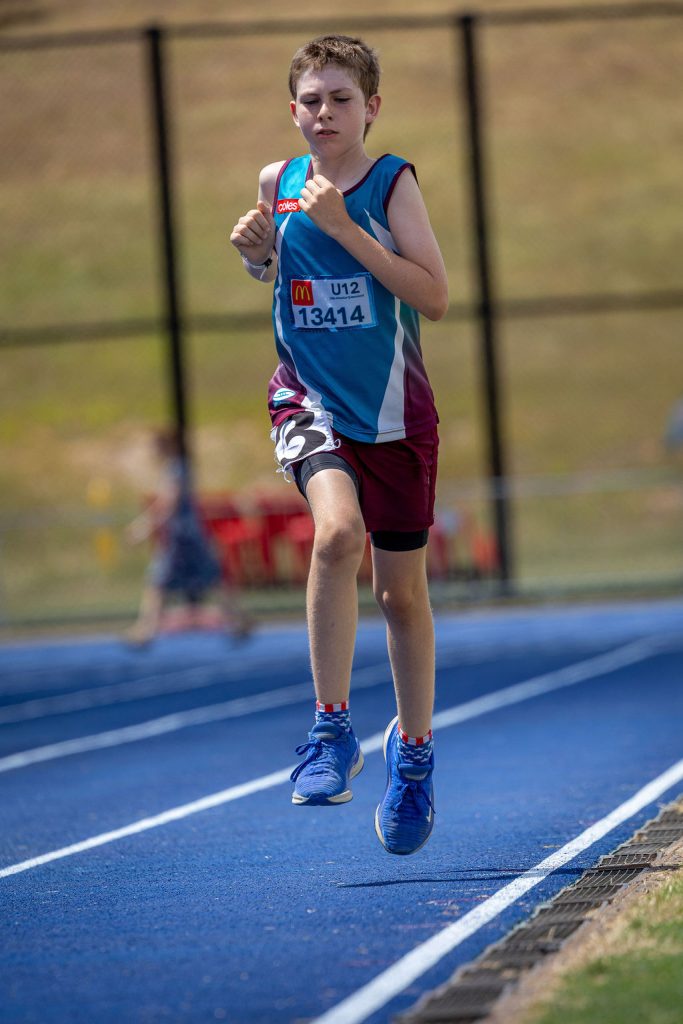
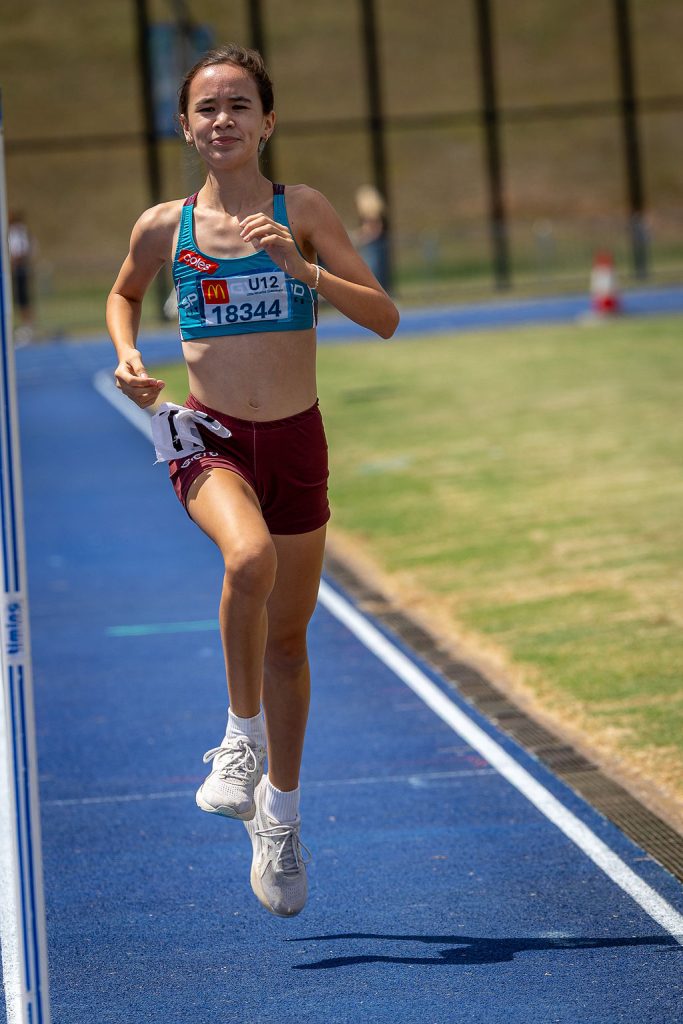
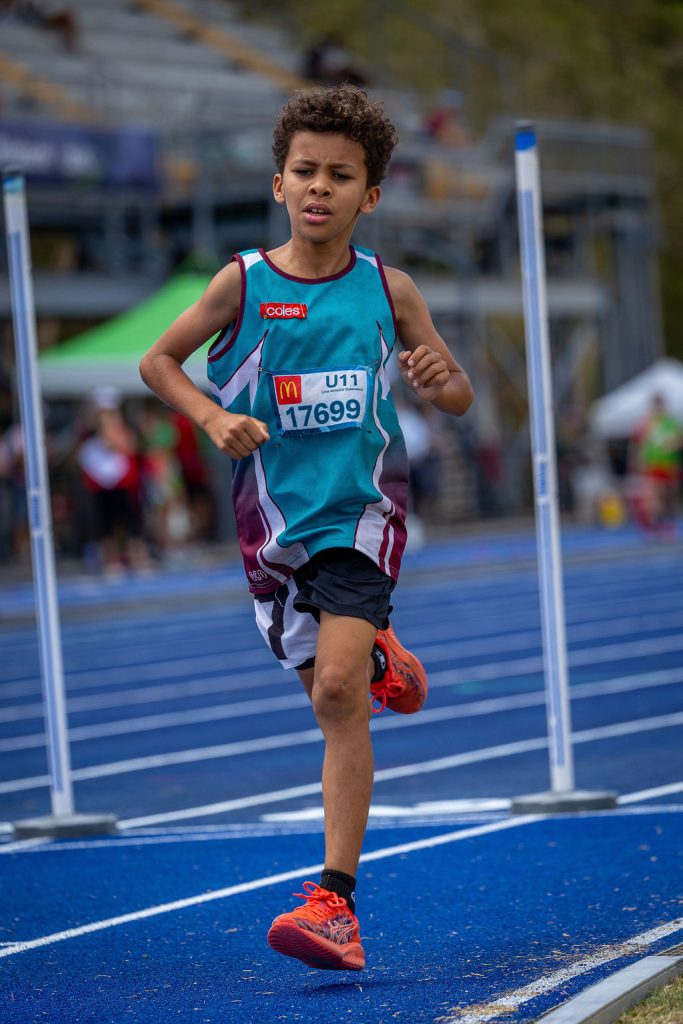
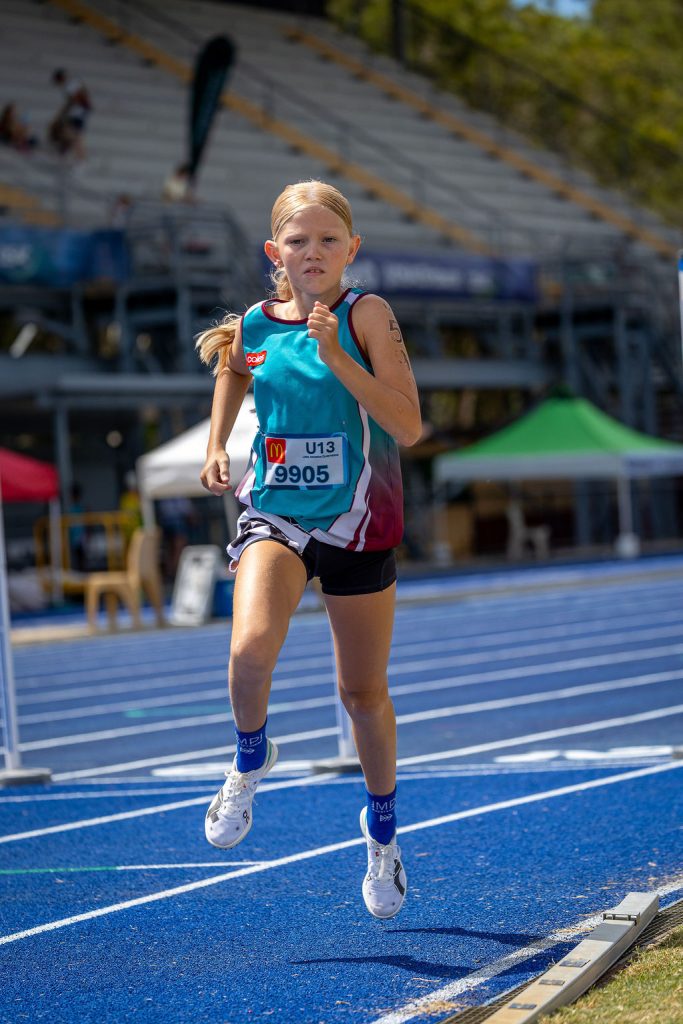
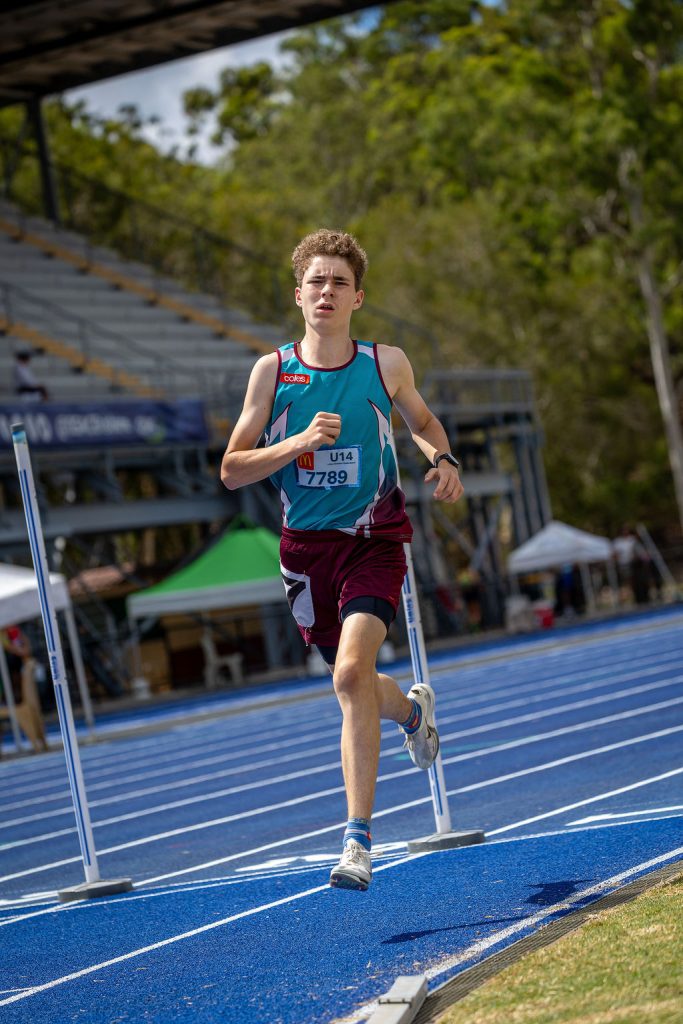
Distance events in Little Athletics help athletes build endurance, pacing and confidence over longer running distances.
These events are generally run on the circular track in an anticlockwise direction, with athletes starting together in a pack. Unlike sprint events, distance running requires a steadier pace and a more controlled running style so athletes can maintain their effort across the full distance.
For most age groups, distance events include 800m and 1500m (U11+).
For younger athletes, modified distance events are offered to suit their stage of development, including:
These adjusted distances allow younger athletes to experience distance running in a safe, age-appropriate and enjoyable way while developing their fitness and love of participation.


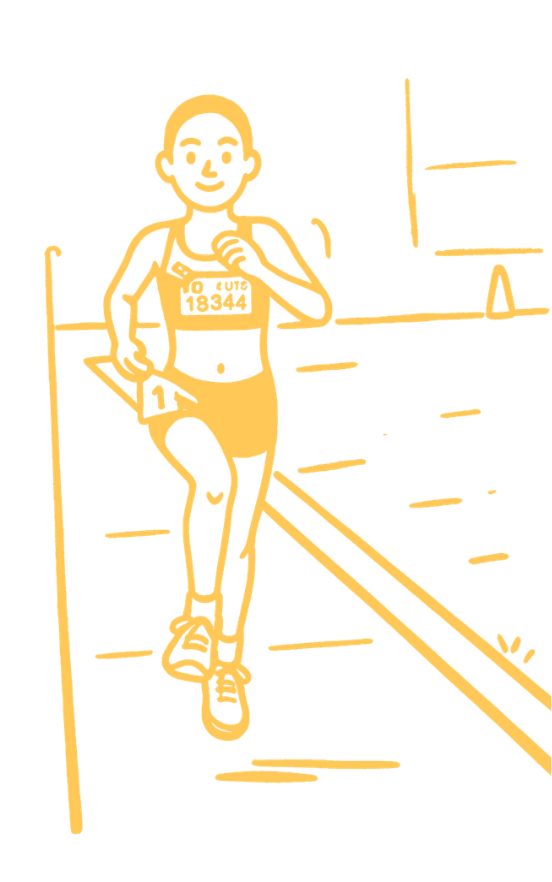
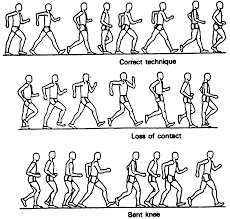
Race walking is one of the more technical events in Little Athletics. It helps athletes develop coordination, control, posture and endurance while learning a very specific walking technique.
Unlike running, athletes must maintain contact with the ground so that there is no visible loss of contact to the human eye. The advancing leg must also be straightened from the moment it first touches the ground until it passes under the body in an upright position.
Because of these technical requirements, race walking is judged differently to running events. Athletes are encouraged to focus on correct technique, rhythm and steady movement rather than speed alone.
Race walking is a great event for developing discipline, concentration and body awareness in a fun and supportive environment.

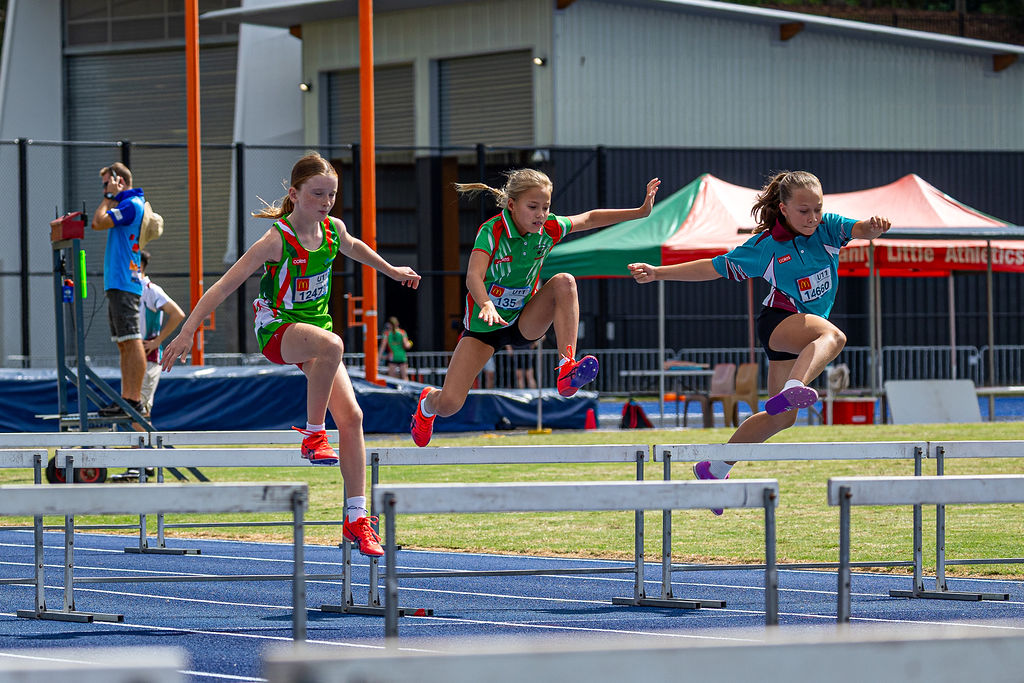
Hurdles is a sprint event that teaches athletes to run with rhythm, speed and control while clearing obstacles along the track.
Although hurdles may look like a jumping event, athletes are encouraged to run over the hurdles, rather than jump over them. This helps them maintain speed and develop correct sprinting technique between each hurdle.
Hurdles are designed to collapse easily when knocked, as long as they are approached from the correct direction, helping athletes learn safely and confidently.
For younger age groups, Under 6 and Under 7 athletes use training hurdles over 60m, with Under 7 athletes gradually transitioning to low hurdles as the season progresses. As athletes grow older, the hurdle height, race distance and number of hurdles increase to match their age and development.
Older athletes, usually from Under 13 and above, may also take part in long hurdles events over 200m and 300m. These events help introduce athletes to the skills and endurance needed for the 400m hurdles in senior athletics.
Hurdles is a great event for developing speed, coordination, confidence and timing in a fun and supportive environment.
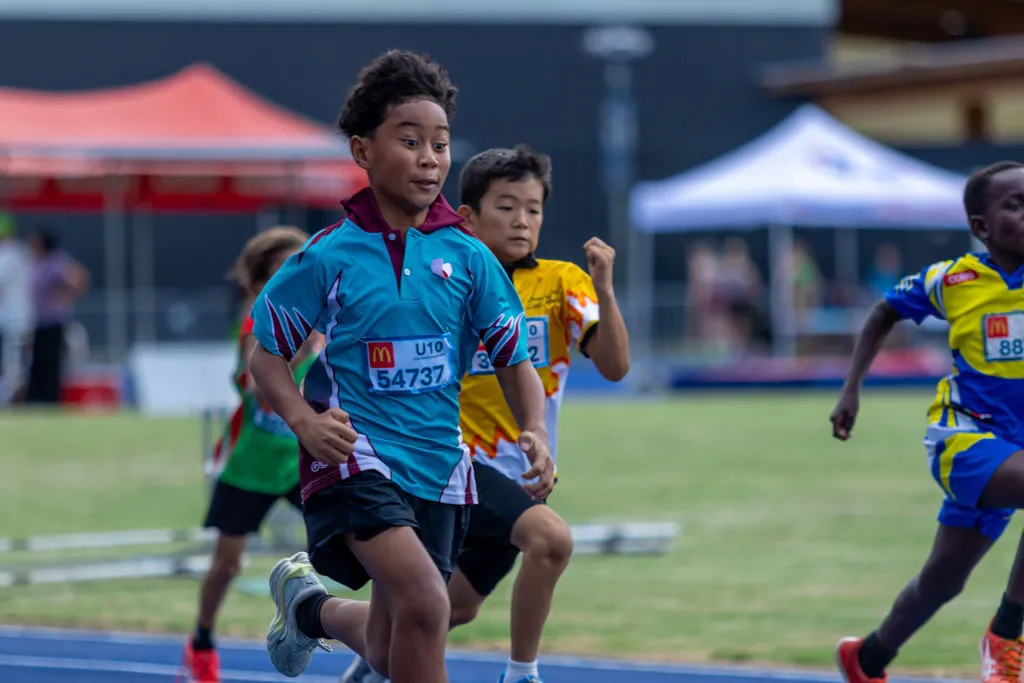
Hurdles must never be jumped from the reverse direction as they will not collapse and could cause serious injury.
High jump is a field event where athletes run in from an approach area and attempt to jump over a crossbar supported between two uprights.
The crossbar is raised after each round, giving athletes the opportunity to challenge themselves and improve their personal best. Athletes remain in the competition until they record three consecutive unsuccessful attempts at a height.
All athletes must take off from one foot when attempting to clear the bar.
To support safe skill development, high jump techniques and equipment are adjusted for each age group:
High jump helps athletes develop confidence, coordination, timing and body control in a safe and supportive environment.
Long Jump
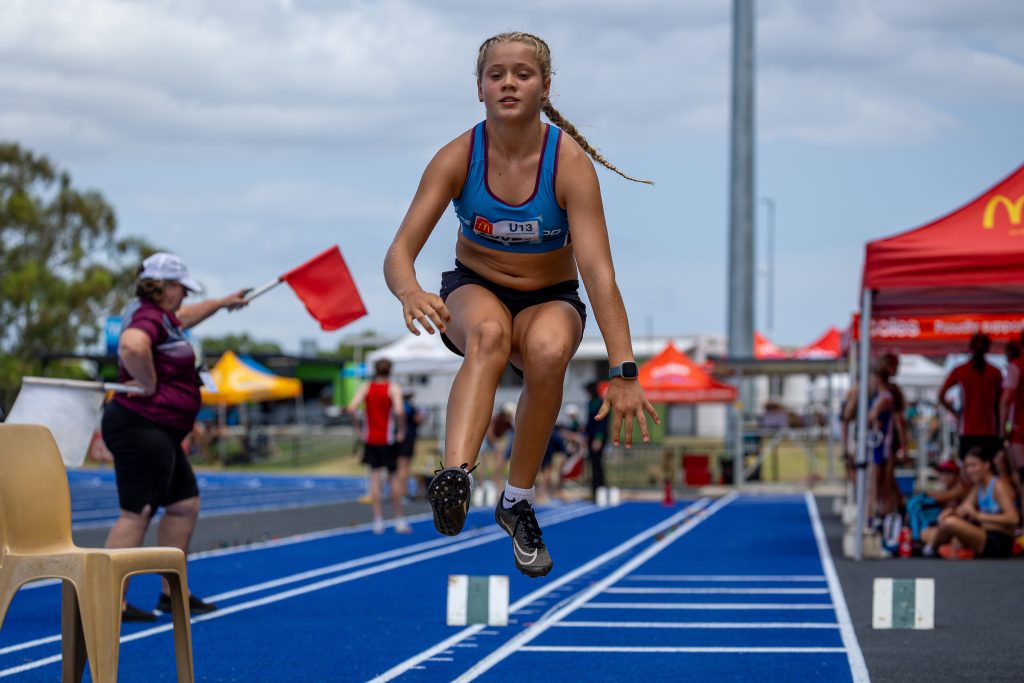
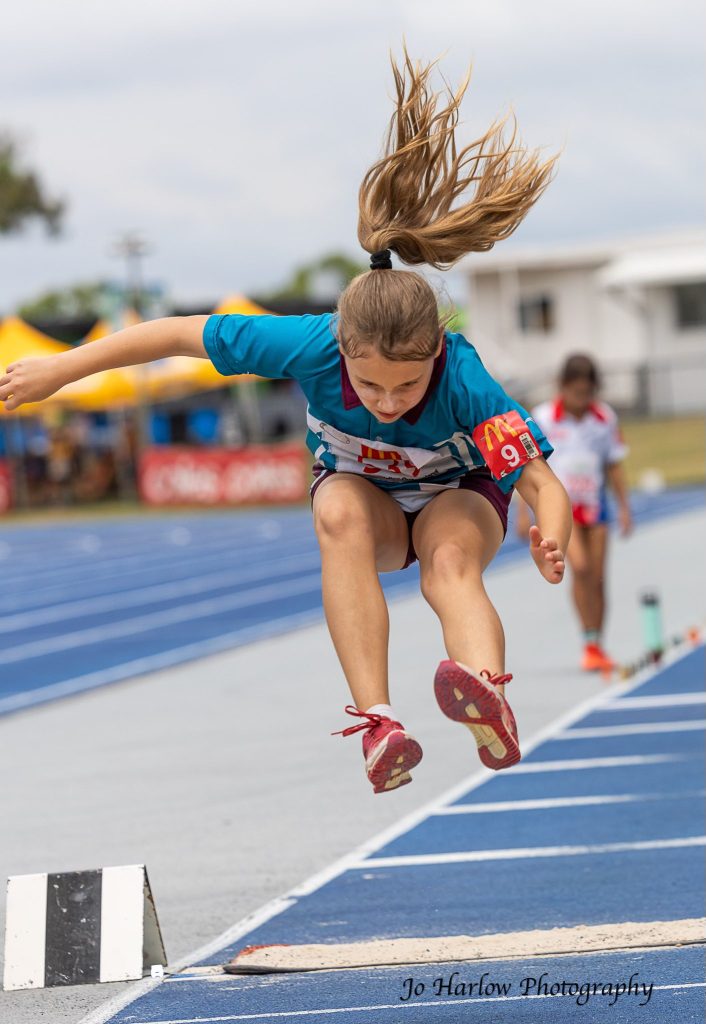
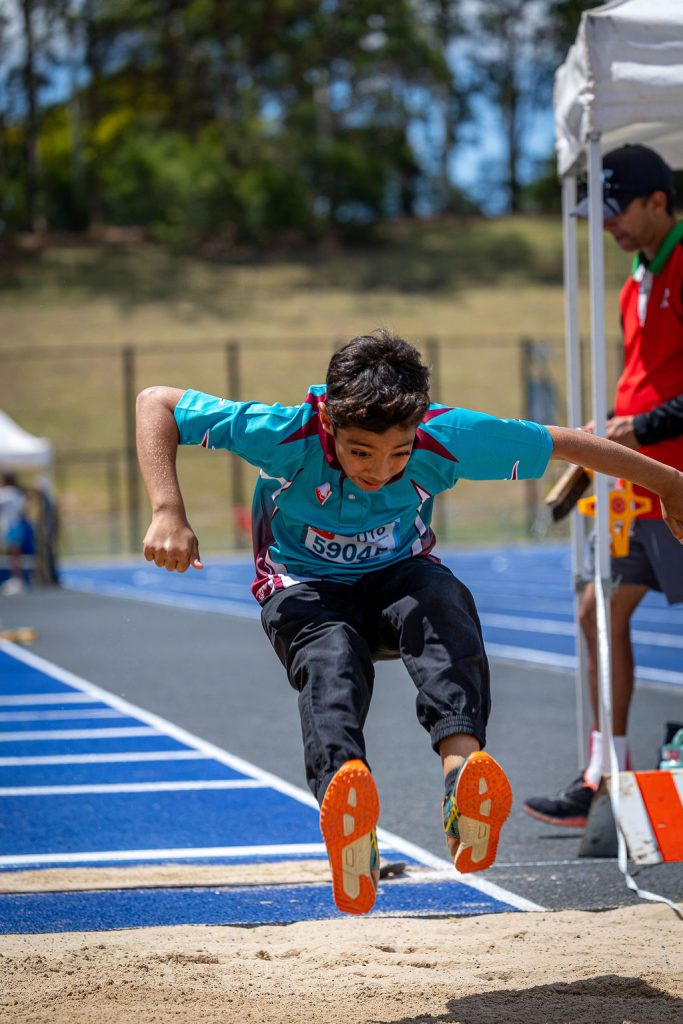
Long jump is a field event where athletes run along a runway and jump as far as they can into a sand pit. It helps children develop speed, coordination, balance and confidence in a fun and supportive environment.
For younger athletes, the event is modified to suit their age and stage of development. U6 to U10 athletes use a larger take-off area, giving them more room to practise their run-up and jumping technique. Athletes run in, take off from the mat, and land in the sand pit.
The jump is measured from the front of the take-off point to the nearest mark made in the sand by the athlete.
As athletes get older, they progress to the standard long jump board. U11 to U17 athletes use a conventional 20cm take-off board, with measurements taken from the front of the board to the nearest break in the landing area.
Long jump is a great event for building confidence, rhythm and explosive movement while encouraging athletes to challenge themselves and improve their personal best.
Triple Jump
Triple jump is often described as the old “hop, step and jump” event, which perfectly explains the movement athletes use to complete the jump.
Athletes run in from the runway and complete three connected phases: a hop, a step and a jump, before landing in the sand pit. The event uses many of the same basic rules as long jump, including taking off from the board and measuring to the nearest mark made in the landing area.
Triple jump is only offered to athletes in the U11 to U17 age groups, as it requires greater coordination, rhythm, strength and control.
It is a great event for helping older athletes develop balance, timing, confidence and explosive movement while building on the skills they have learned through long jump.
DISCUS
Discus is one of the oldest field events in athletics, with origins dating back to the ancient Olympic Games.
In Little Athletics, athletes learn to throw a discus from within a throwing circle, aiming for it to land safely inside the marked sector. The event helps develop coordination, balance, strength and correct throwing technique.
At Centre level, athletes generally use a moulded rubber discus suited to their age group. In some Little Athletics Queensland competitions, athletes in U12 and above may use a steel-rim discus.
After the discus has landed, athletes must leave the circle correctly, with their first step outside the circle taken from behind the marked exit line. This helps ensure the throw is completed safely and according to the rules.
Discus is a great event for developing confidence, control and technique while introducing athletes to one of athletics’ classic throwing events.
Shot Put
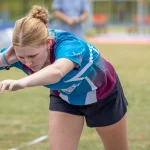
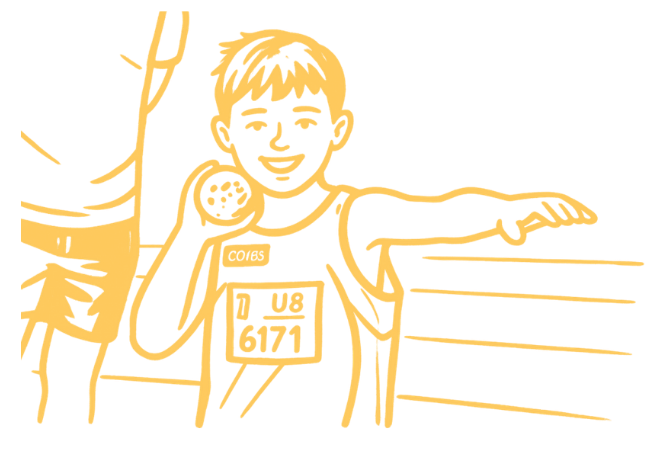
Shot put is a throwing event where athletes learn to push a weighted shot from the shoulder into a marked landing area.
Unlike other throwing events, the shot is not thrown like a ball. Athletes must push the shot from close to the neck or chin using one hand only. During the movement, the shot must stay near the neck and must not be taken behind the line of the shoulders.
Athletes complete their attempt from inside a throwing circle, aiming for the shot to land safely within the marked sector. Once the shot has landed, the athlete must leave the circle correctly, with their first step outside the circle taken from behind the marked exit line.
Shot put helps athletes develop strength, balance, coordination and correct throwing technique in a safe and supportive environment.
Javelin
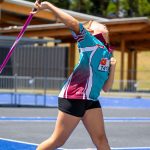
Javelin is a throwing event where athletes run along a runway and throw a spear-like implement into a marked landing sector.
In Little Athletics, javelin is offered to athletes in the U11 to U17 age groups. Younger athletes may be introduced to similar skills through Turbo Jav, which helps them develop safe throwing technique, coordination and confidence before progressing to javelin.
Athletes must complete their throw from within the runway. For a valid throw, the nose of the javelin must be the first part to touch the ground and it must land within the marked sector. After the throw has landed, athletes leave the runway safely from behind the throwing arc and runway lines.
Javelin is a strictly supervised event due to the safety risks associated with flying implements. All athletes, parents and helpers must follow instructions at all times, and throwing implements must always be carried back to the throwing area — never thrown back.
Javelin helps older athletes develop technique, rhythm, coordination and control while learning one of athletics’ classic throwing events in a safe and structured environment.

2026 Springwood Sharks Little Athletics copyright all. right reserved